📍 Victoria Falls, Zimbabwe/Zambia

Victoria Falls: Africa's Most Spectacular Natural Wonder

Straddling the border of Zimbabwe and Zambia, this thundering curtain of water is unlike anything else on Earth. Whether you seek adventure, wildlife, or sheer awe-inspiring beauty, it delivers an experience you'll never forget.

Chobe Day Trip — Wildlife Cruises & Game Drives

The Chobe Day Trip From Victoria Falls Zimbabwe is one of the most spectacular single-day wildlife experiences in southern Africa. You'll cross into Botswana for an immersive boat cruise along the Chobe River, where elephants wade at the banks, hippos surface mid-stream, and an extraordinary variety of birds fills the reeds. The adventure begins with a welcome serving of tea and coffee before you set out, and the drive through the park itself often delivers surprise wildlife encounters before you even reach the water. With a 4.7-star rating across 244 reviews, this tour consistently delivers outstanding game sightings and a relaxed, expertly guided atmosphere perfect for families, couples, and solo travellers alike.

  • Scenic boat cruise on the wildlife-rich Chobe River
  • Elephants, hippos, crocodiles & rare birds spotted at close range
  • Game drive through the park on the way to and from the river
  • Welcome tea and coffee served before your day's activities begin
  • Expert local guides with deep knowledge of the Chobe ecosystem
Book Now
⭐ Top Rated Chobe Day Trip From Victoria Falls Zimbabwe

Where Is Victoria Falls Located?

Perched on the Zambezi River between Zimbabwe and Zambia, this iconic destination sits at the heart of southern Africa. Its central position makes it a natural hub for multi-country safari adventures.

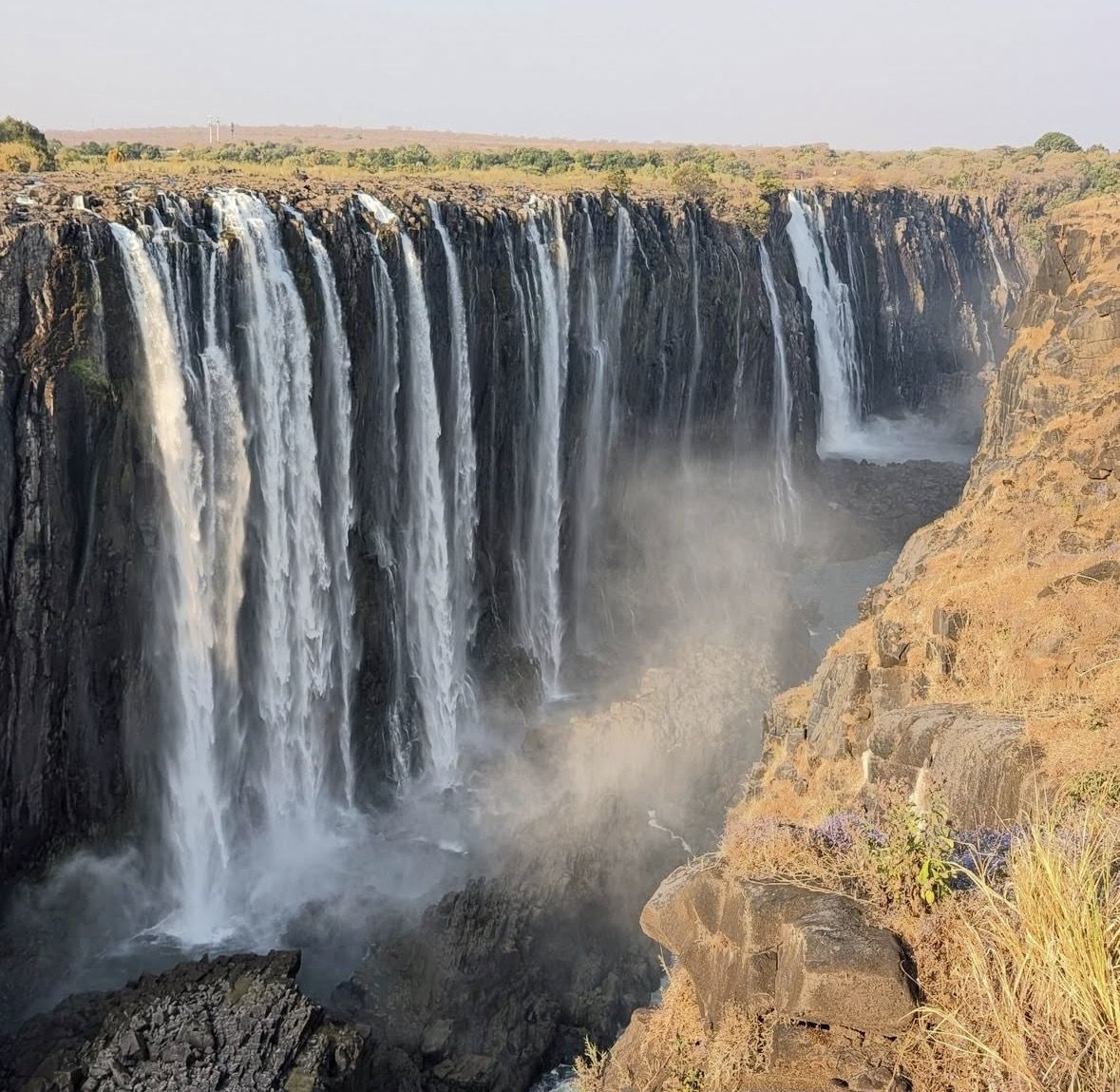
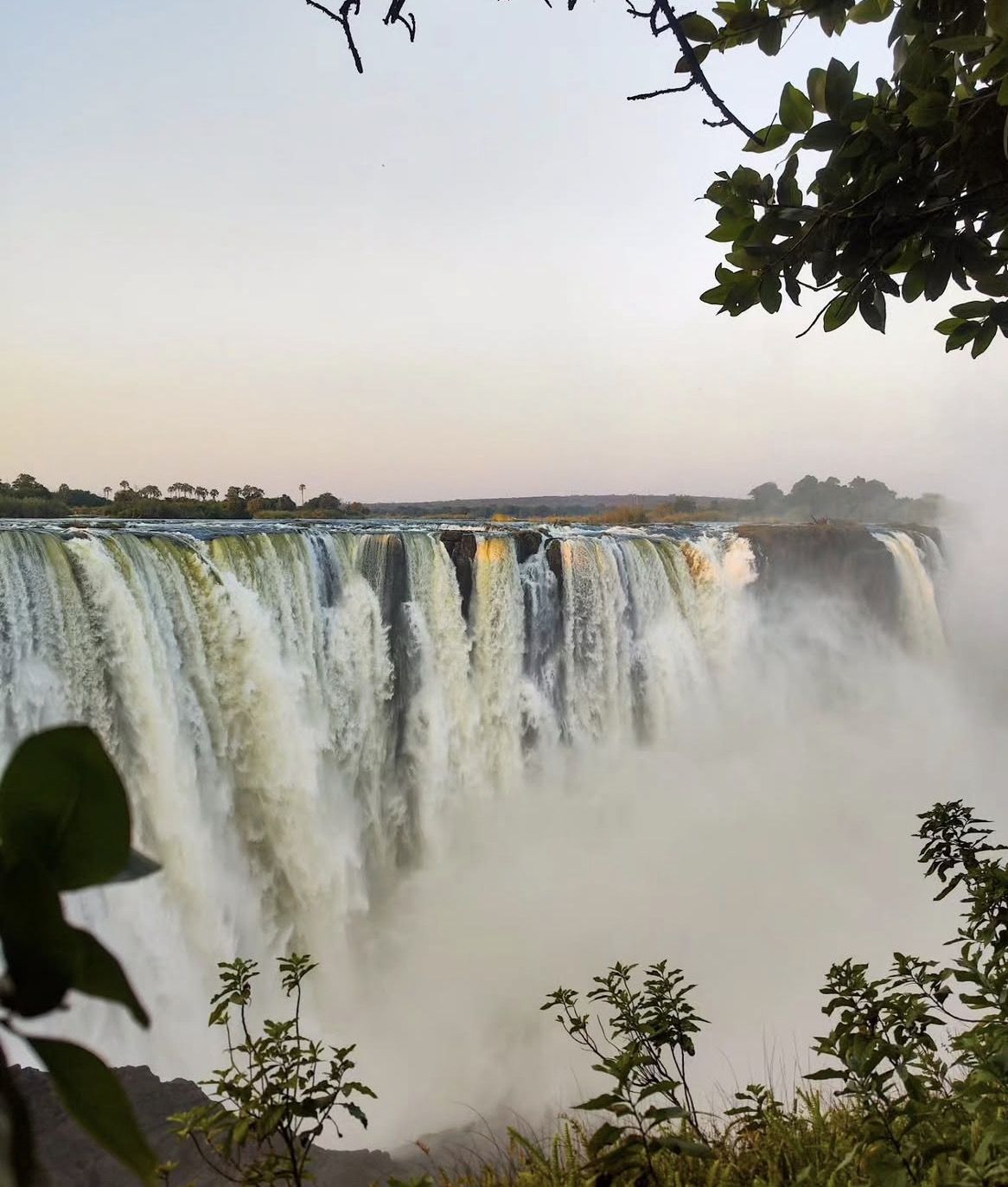
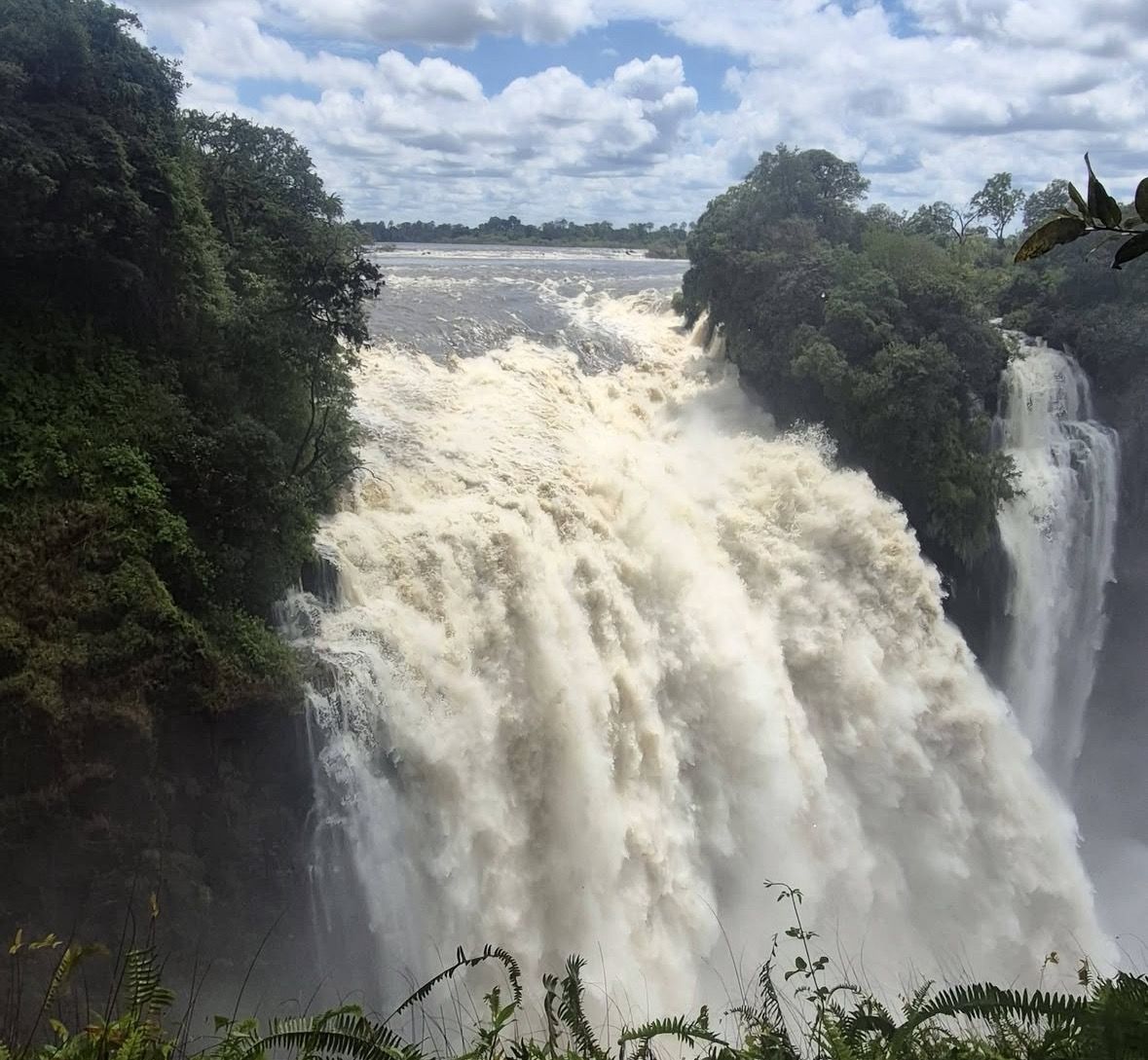
Victoria Falls straddles the border between Zimbabwe to the south and Zambia to the north, situated on the mighty Zambezi River. The town of Victoria Falls in Zimbabwe and the town of Livingstone in Zambia both serve as gateways, each offering their own viewpoints, accommodations, and activities. The surrounding landscape is a patchwork of spray-drenched rainforest, open savannah, and dramatic basalt gorges carved over millennia by the relentless force of the river.

The falls were named by Scottish explorer David Livingstone in 1855, who became the first European to witness them and named them in honour of Queen Victoria. Long before his arrival, local Kololo people called them 'Mosi-oa-Tunya' — 'The Smoke That Thunders' — a name that perfectly captures their overwhelming presence. Today the site is a UNESCO World Heritage Site, jointly managed by Zimbabwe and Zambia, and celebrated as one of Africa's most treasured natural landmarks.

Visitors can experience the falls from both the Zimbabwean and Zambian sides, each offering distinct perspectives and unique activities. The Zimbabwean side provides sweeping panoramic viewpoints along a well-maintained rainforest path, while the Zambian side offers more intimate access — including the legendary Livingstone Island perch directly above the cascade. Adventure seekers, honeymooners, wildlife enthusiasts, and culture lovers all find something compelling here, making it one of the most diverse and rewarding destinations on the continent.
💧
Width 1,708 metres
📏
Height 108 metres
🌊
Peak Flow 500,000 m³/min
🌍
UNESCO Status Since 1989
✈️
Nearest Airport Victoria Falls Intl
🌡️
Best Season Jul – Dec
🌊
1,708 m
Widest Waterfall on Earth

Stretching over 1,700 metres across, this is the largest single sheet of falling water on the planet. During peak flood season, the spray can be seen from over 50 kilometres away.

🦁
5
Big Five in Nearby Parks

Lions, leopards, elephants, rhinos, and buffalo all roam the surrounding national parks. Chobe National Park in Botswana and Hwange in Zimbabwe are both within easy reach for a day safari.

🏞️
2
Countries, One Wonder

The falls are jointly shared by Zimbabwe and Zambia, and travellers can cross between the two on the historic Victoria Falls Bridge. Many visitors opt for a multi-country experience with a KAZA UniVisa.

🌿
UNESCO
World Heritage Site

Designated a UNESCO World Heritage Site in 1989, the area is protected for its outstanding natural beauty and geological significance. The spray-fed rainforest along the gorge rim is a unique ecosystem found nowhere else.

🚣
23
Rapids for White-Water Rafting

The Zambezi River below the falls offers 23 named rapids, including the legendary 'Stairway to Heaven' and 'The Washing Machine.' It is widely regarded as one of the world's best white-water rafting destinations.

📅
1855
First European Sighting

David Livingstone arrived by canoe from the upstream islands on 16 November 1855, becoming the first European to document the falls. He described them as 'scenes so lovely they must have been gazed upon by angels in their flight.'

😱

Devil's Pool Swim

Between September and December, brave swimmers can wade into Devil's Pool, a natural rock-edged pool that sits right at the lip of the falls on the Zambian side. The experience of peering over the edge into the gorge below is utterly breathtaking.

🚁

Helicopter Flight of Angels

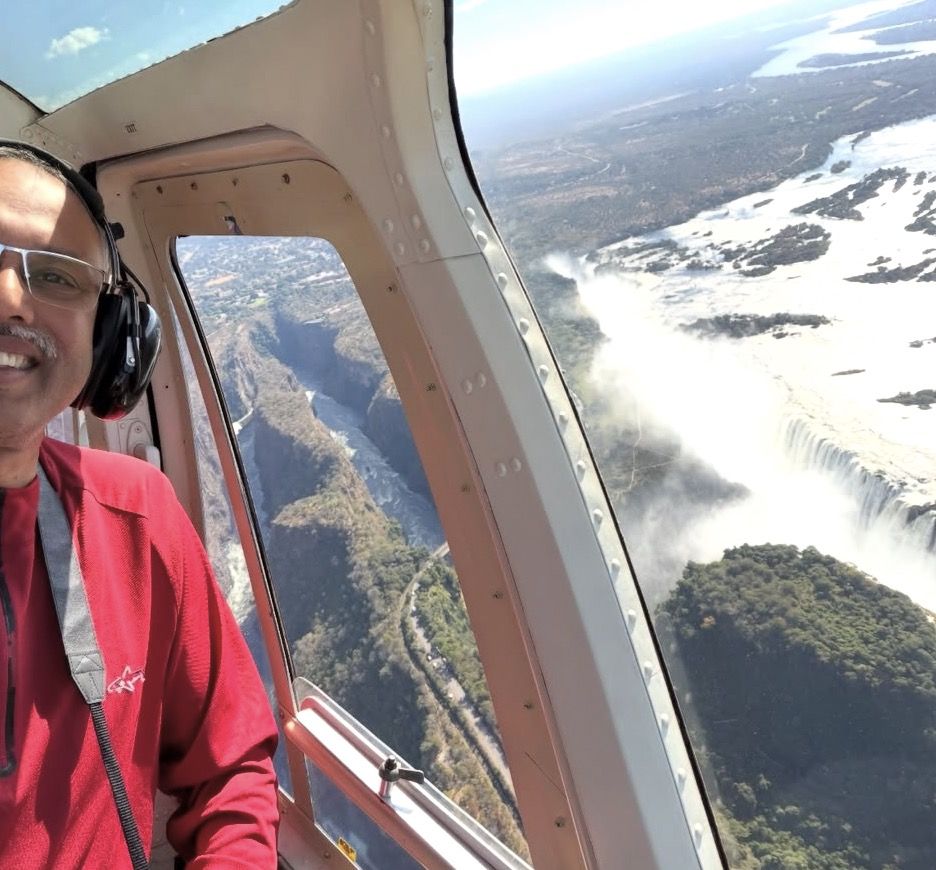
A helicopter flight over the falls — dubbed the 'Flight of Angels' after Livingstone's famous quote — offers an unmatched bird's-eye perspective of the cascades and gorges. It is one of the most popular and unforgettable experiences in the region.

🛶

Sunset Zambezi Cruise

Glide along the upper Zambezi River at dusk aboard a luxury cruise boat, gin and tonic in hand, as hippos wallow and elephants drink along the riverbanks. The golden light over the water makes for sensational photography.

🤿

White-Water Rafting

The Zambezi's gorge below the falls is a world-class white-water destination, offering full-day rafting adventures through some of the most exhilarating rapids on the planet. The experience is suitable for fit adults and is run by experienced professional operators.

🦒

Safari Excursions

Game drives in Zambezi National Park (just upstream) or day trips to Chobe and Hwange bring visitors face to face with Africa's iconic wildlife. Morning and evening drives offer the best chances of spotting predators and large herds.

🏃

Bungee Jump & Gorge Swing

The Victoria Falls Bridge offers one of the world's most dramatic bungee jumps — a 111-metre freefall above the churning Zambezi gorge. For those who want the thrill without the full commitment, a gorge swing or zip line are equally heart-pounding options.

How Victoria Falls Compares to Similar Destinations

See how this iconic waterfall destination stacks up against the world's other great natural wonders.

Choosing between the world's great natural wonders is never easy. Victoria Falls competes for bucket-list priority with other legendary destinations like Iguazu Falls, Niagara Falls, and Angel Falls. Each offers a distinct combination of scenery, adventure, wildlife, and accessibility. This comparison table is designed to help you weigh the key factors — crowds, cost, target traveller, and unique selling points — so you can decide which destination best matches your travel style and expectations.

CrowdsPriceBest ForWhat Sets It Apart
★ Victoria FallsModerate — uncrowded gorge pathsMid to high rangeAdventure, wildlife & romanceCombined wildlife safari + waterfall experience; two-country access
Iguazu Falls, Argentina/BrazilHigh — very popular year-roundMid rangeFamilies & photography loversBroader waterfall system with jungle backdrop and boat rides into the spray
Niagara Falls, Canada/USAVery high — heavily touristedBudget to mid rangeCasual tourists & day-trippersIconic urban setting; easy access; casino and entertainment nearby
Angel Falls, VenezuelaLow — remote accessHigh (logistics)Adventurous & off-the-beaten-path travellersWorld's highest waterfall; reached only by small plane and river boat through jungle

Each of these destinations has its own magic, but Victoria Falls stands apart through its extraordinary combination of raw natural power, world-class adventure activities, and immediate access to some of Africa's finest wildlife. No other waterfall on Earth lets you bungee jump, swim at the lip of the cascade, and spot elephants in the wild — all in the same weekend.

Victoria Falls Everything You Need to Know

Everything you need to plan a seamless and unforgettable trip to one of Africa's greatest natural wonders.

How to Get to Victoria Falls: Flights & Transfers

The most convenient entry point is Victoria Falls International Airport (VFA) in Zimbabwe, which receives direct flights from Johannesburg (O.R. Tambo) with multiple airlines daily, as well as connections from Nairobi, Cape Town, and Lusaka. Harry Mwanga Nkumbula International Airport in Livingstone, Zambia, is the alternative gateway, served by flights from Lusaka and Johannesburg. Most travellers connect through Johannesburg, making it the primary hub for reaching the region.

Once you arrive, the falls themselves are just a short drive from either airport — roughly 15–20 minutes from both Victoria Falls Airport and Livingstone Airport. Taxis, hotel transfers, and shuttle services are all readily available. The iconic Victoria Falls Bridge connects the Zimbabwean and Zambian towns and is walkable, allowing easy movement between both sides with the relevant visas in hand.

  • Fly into Victoria Falls International Airport (VFA) — the most direct Zimbabwe entry
  • Johannesburg (O.R. Tambo) is the main connecting hub for regional flights
  • Livingstone Airport (LVI) in Zambia is an equally convenient entry point
  • Apply for a Zimbabwe e-Visa or a KAZA UniVisa online before travel to access both countries
  • Hotel transfers are widely available and recommended for first-time visitors
  • Taxis are plentiful from both airports — agree on a fare before departure
  • The town centre and falls viewpoints are easily walkable once you're checked in
Small aircraft landing at Victoria Falls International Airport with African bush in the background

Best Time to Visit: Seasons, Water Levels & Wildlife

The ideal time to visit depends on your priorities. For the most dramatic water volumes, February through May — during and just after peak flood season — delivers a breathtaking wall of white water. For clearer views of the actual rockface and the chance to swim in Devil's Pool, the drier months of September through December are best. Wildlife viewing peaks in the dry season from June to October when animals congregate around water sources.

Summers (November to March) bring heat, humidity, and heavy rainfall. While the falls swell impressively, thick spray can obscure views and some gorge paths become slippery. Winters (May to August) are dry, sunny, and cool — perfect for safari and outdoor adventures. Shoulder months like September and October offer a pleasing balance: diminishing crowds, excellent wildlife, accessible viewpoints, and the tail end of Devil's Pool season.

  • Feb–May: Peak flood season — maximum water volume and dramatic spray clouds
  • Jun–Aug: Dry, cool winter — excellent for safari and clear gorge views
  • Sep–Oct: Shoulder season — ideal balance of water levels, wildlife, and weather
  • Nov–Dec: Devil's Pool opens — great for swimming at the falls' lip
  • Jan: Rainy season begins — lush scenery but heavy spray can obscure views
  • Jul–Sep: Best months for Big Five game viewing in nearby national parks
  • Avoid peak Christmas/New Year period if you prefer quieter viewpoints
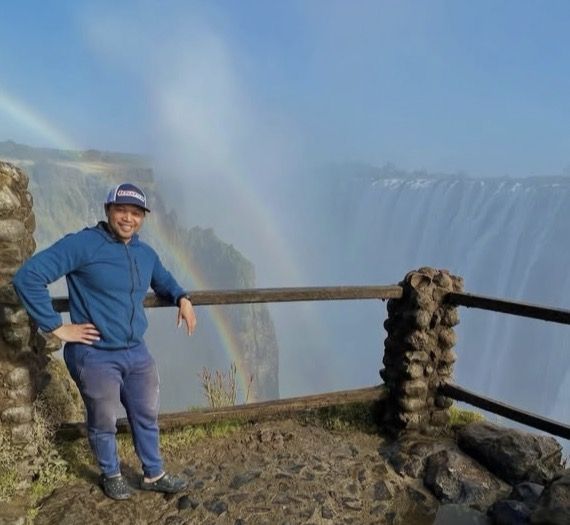
Rainbow arching over the Zambezi River gorge during the dry season at Victoria Falls

What to Pack for Your Victoria Falls Adventure

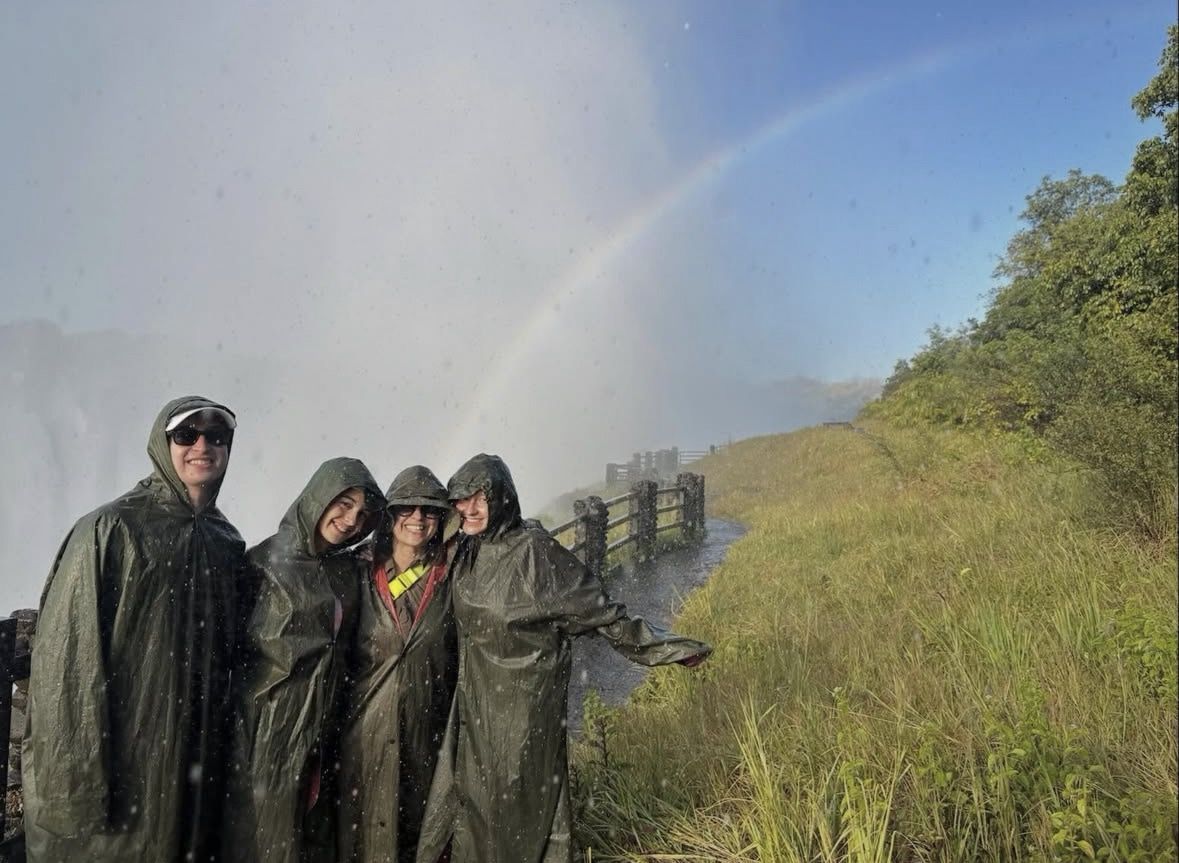
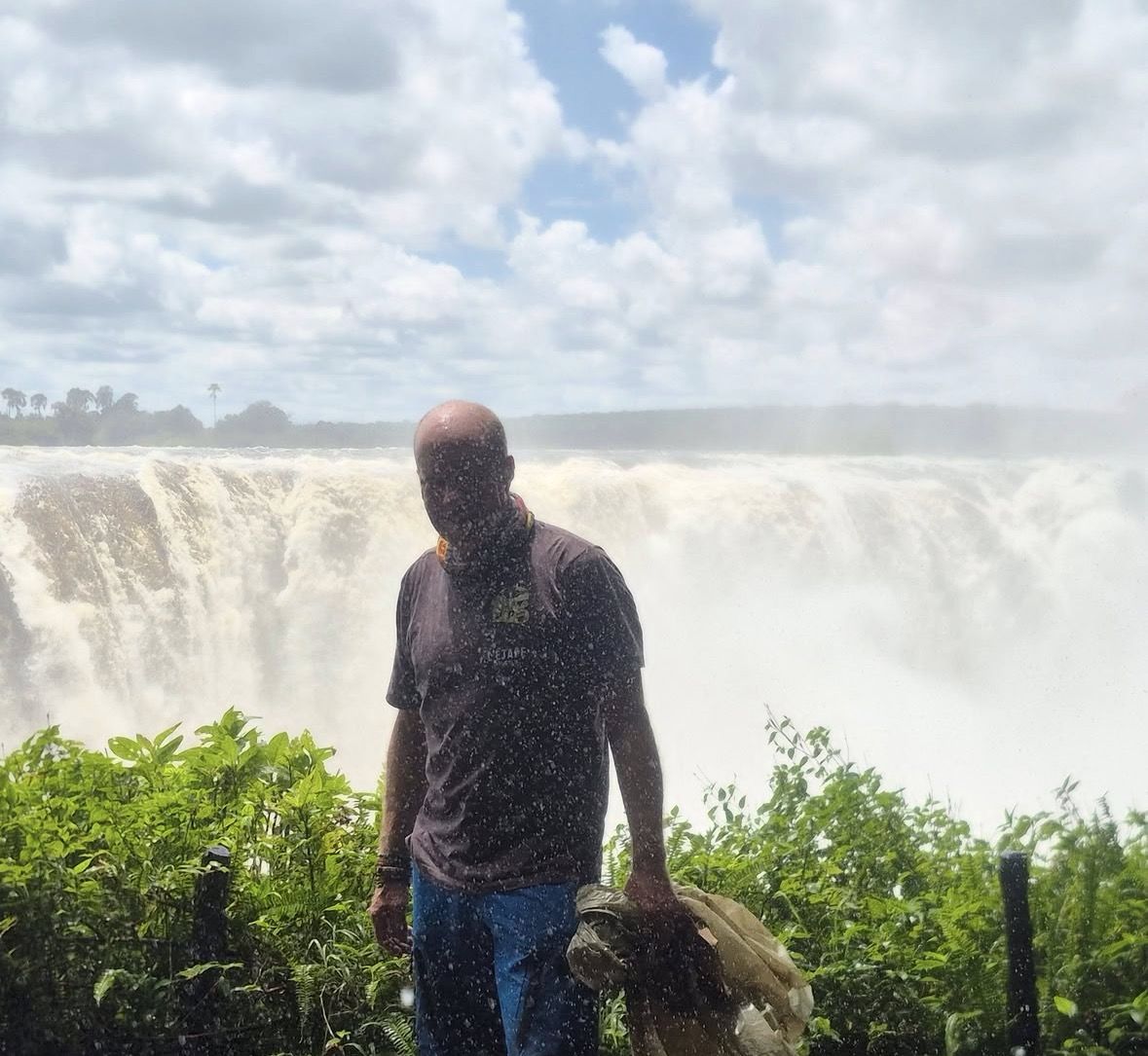
Packing smart is essential for a destination that blends adventure, wildlife, and equatorial weather. A lightweight waterproof poncho is non-negotiable — even in the dry season, the spray from the falls soaks visitors within minutes on certain paths. Bring a dry bag for cameras and electronics, and pack insect repellent with DEET for evening hours. Sunscreen with high SPF and a wide-brimmed hat are must-haves for outdoor activities.

For clothing, opt for breathable, moisture-wicking fabrics in neutral or earthy tones — ideal for both the gorge walks and safari excursions. Long-sleeved shirts and trousers for evenings help guard against mosquitoes. Sturdy closed-toe shoes are recommended for gorge hikes and rafting, while sandals work well around town and the pool. A light fleece or jacket is useful for early morning game drives in the cooler winter months.

  • Lightweight waterproof rain poncho (essential — the spray will soak you)
  • Dry bag or waterproof case for cameras, phones, and passports
  • High-SPF sunscreen and a wide-brimmed sun hat
  • DEET-based insect repellent for malaria protection at dawn and dusk
  • Neutral-coloured, breathable clothing — ideal for both safaris and gorge walks
  • Sturdy closed-toe hiking shoes with good grip for slippery paths
  • Light fleece or jacket for cool winter mornings and air-conditioned transfers
  • A small first-aid kit including rehydration salts and blister plasters
Tourist wearing a rain poncho on the wet viewpoint paths near the falls

Local Tips: Insider Advice for a Smarter Visit

Visiting from the Zimbabwean side gives the best overall panoramic viewpoints, while the Zambian side offers more intimate access. If budget allows, do both — the KAZA UniVisa (USD 50) grants access to both countries simultaneously and is excellent value. Early morning visits to the gorge rim mean fewer crowds, better light for photography, and cooler temperatures. Always tip guides and lodge staff as tipping culture is strong and wages in the service sector are heavily supplement-dependent.

US dollars are widely accepted in Zimbabwe and Zambia; carry small denominations for tips, market shopping, and smaller vendors. Avoid exchanging money with informal street traders and use hotel front desks or official bureaux. Haggling is accepted at craft markets — start at around 50% of the asking price and meet in the middle. The local Zambian kwacha and Zimbabwe Gold (ZiG) are useful for very small purchases.

  • Get the KAZA UniVisa (USD 50) to visit both Zimbabwe and Zambia freely
  • Visit the gorge viewpoints early morning for better light and fewer crowds
  • Carry USD small bills — they are accepted almost everywhere and essential for tips
  • Haggle respectfully at craft markets — it's expected and part of the culture
  • Book adventure activities (rafting, bungee, Devil's Pool) in advance during peak season
  • Combine your trip with a Chobe day safari for an unforgettable Big Five experience
  • Respect local customs — dress modestly when visiting villages or cultural sites
Local craft vendors selling wooden carvings and souvenirs at a market near Victoria Falls town

Health & Safety: Staying Well on Your Visit

Malaria is present in the region year-round, and anti-malarial medication is strongly recommended — consult your doctor at least 4–6 weeks before travel to discuss options such as doxycycline, Malarone, or mefloquine. Hepatitis A and typhoid vaccinations are also advised. Yellow fever vaccination may be required if you're arriving from a country with risk of transmission. Carry personal medication supplies as pharmacies in the area have limited stock.

The destination is generally safe for tourists, but standard precautions apply. Keep valuables secured and avoid displaying expensive jewellery or electronics in busy public areas. The Zambezi River harbours hippos and crocodiles — never swim outside designated safe zones. Stay on marked paths in the gorge and always use a registered operator for adventure activities. Emergency medical facilities are limited locally; comprehensive travel insurance with medical evacuation cover is essential.

  • Take anti-malarial medication — consult your GP at least 4 weeks before departure
  • Get vaccinated for Hepatitis A, typhoid, and check yellow fever requirements
  • Use DEET repellent and sleep under a mosquito net to reduce malaria risk
  • Never swim in the Zambezi outside designated zones — hippos and crocodiles are present
  • Purchase comprehensive travel insurance including emergency medical evacuation
  • Only book adventure activities with licensed, safety-certified operators
  • Keep copies of your passport, visa, and travel insurance documents digitally and in print
First aid kit and insect repellent laid out on a map of southern Africa for travel preparation

All Tours

Extend your adventure beyond the falls with these incredible nearby destinations, from elephant-rich national parks to cultural heritage towns.

Victoria Falls What Visitors Are Saying

Travellers from around the world share their unforgettable experiences at Victoria Falls.

★★★★★

"Standing at the edge of Mosi-oa-Tunya was one of the most humbling moments of my life. The sheer scale of the water crashing down into the gorge is impossible to capture in photographs. We visited during high water season and got absolutely drenched on the viewing paths — totally worth it. I'd recommend bringing a waterproof bag and simply surrendering to the experience."

SM
Sophie M.March 2024
★★★★★

"The sunset cruise on the Zambezi River was the highlight of our entire African trip. We spotted hippos, crocodiles, and a stunning array of birds while sipping drinks and watching the sky turn orange. Our guide was incredibly knowledgeable and made the whole experience feel very personal. If you only do one activity here, make it this one."

JR
James R.August 2023
★★★★☆

"Bungee jumping off the iconic bridge between Zimbabwe and Zambia was terrifying and absolutely exhilarating at the same time. The views from the bridge alone are worth the walk across, even if you skip the jump itself. My only gripe was that the queue was quite long on the day we visited. Everything else about the destination exceeded our expectations."

LK
Lena K.October 2023
★★★★★

"We took a helicopter flight over the falls and it genuinely took our breath away — nothing prepares you for seeing it from above. The rainbow arching over the mist column was something straight out of a dream. Our pilot was professional and gave us plenty of time to absorb the view. This place deserves every superlative thrown at it."

CV
Carlos V.January 2024
★★★★★

"Livingstone Island on the Zambian side is an absolute must-do — swimming in Devil's Pool right at the lip of the falls was outrageously memorable. The guides are safety-conscious and explain the geology and history beautifully. We felt completely safe the whole time despite how dramatic the location feels. A bucket-list tick that genuinely lived up to the hype."

PS
Priya S.September 2023
★★★★☆

"The gorge swing was far scarier than I anticipated, and I loved every second of it. The adventure operators here are well-organised and very safety-focused, which gave us confidence to try multiple activities in one day. The town itself is a little touristy but has a cheerful energy that's easy to enjoy. We'd definitely return to explore more of the surrounding national parks."

TB
Tom B.July 2023
★★★★★

"We combined our visit with a game drive through Zambezi National Park and saw elephant, giraffe, and buffalo within the first hour. The proximity of world-class wildlife to such a dramatic waterfall is what makes this destination so unique. Our accommodation was comfortable and the staff went above and beyond to help us plan each day. Truly a place that rewards slow, curious travel."

AF
Amelia F.May 2024
★★★★★

"I visited solo and found the whole area incredibly welcoming and easy to navigate. The walking paths through the rainforest to the viewpoints are magical — each corner reveals a new angle of the cascading water. Locals were friendly and genuinely proud to share their heritage with visitors. I left with a full memory card and an even fuller heart."

YT
Yuki T.February 2024

Watch Victoria Falls in Action

See the thunder, the spray, and the spectacle of one of the world's greatest natural wonders before you go.

YouTube video thumbnail showing aerial footage of Victoria Falls with mist rising above the Zambezi gorge

Find Victoria Falls

Victoria Falls is located on the Zambezi River on the border of Zimbabwe and Zambia, near the town of Victoria Falls, Matabeleland North Province, Zimbabwe.

Victoria Falls Frequently Asked Questions

Everything you need to know before planning your trip to one of the world's greatest natural wonders.

The destination is spectacular year-round, but the experience changes dramatically with the seasons. Peak flow occurs between February and May, when the Zambezi runs highest and the spray is so intense it can obscure some views. The dry season from July to October offers clearer sightlines and is ideal for wildlife viewing in the surrounding parks. Many travellers find September and October to be the sweet spot between manageable water levels and excellent game-viewing conditions.
Both sides offer genuinely rewarding experiences and most visitors try to see both if time allows. The Zimbabwean side generally provides more panoramic viewpoints along well-maintained walkways through lush rainforest. The Zambian side is renowned for Livingstone Island and the thrilling Devil's Pool swimming experience during low water season. Crossing the border is straightforward with a KAZA UniVisa, which grants access to both countries for most passport holders.
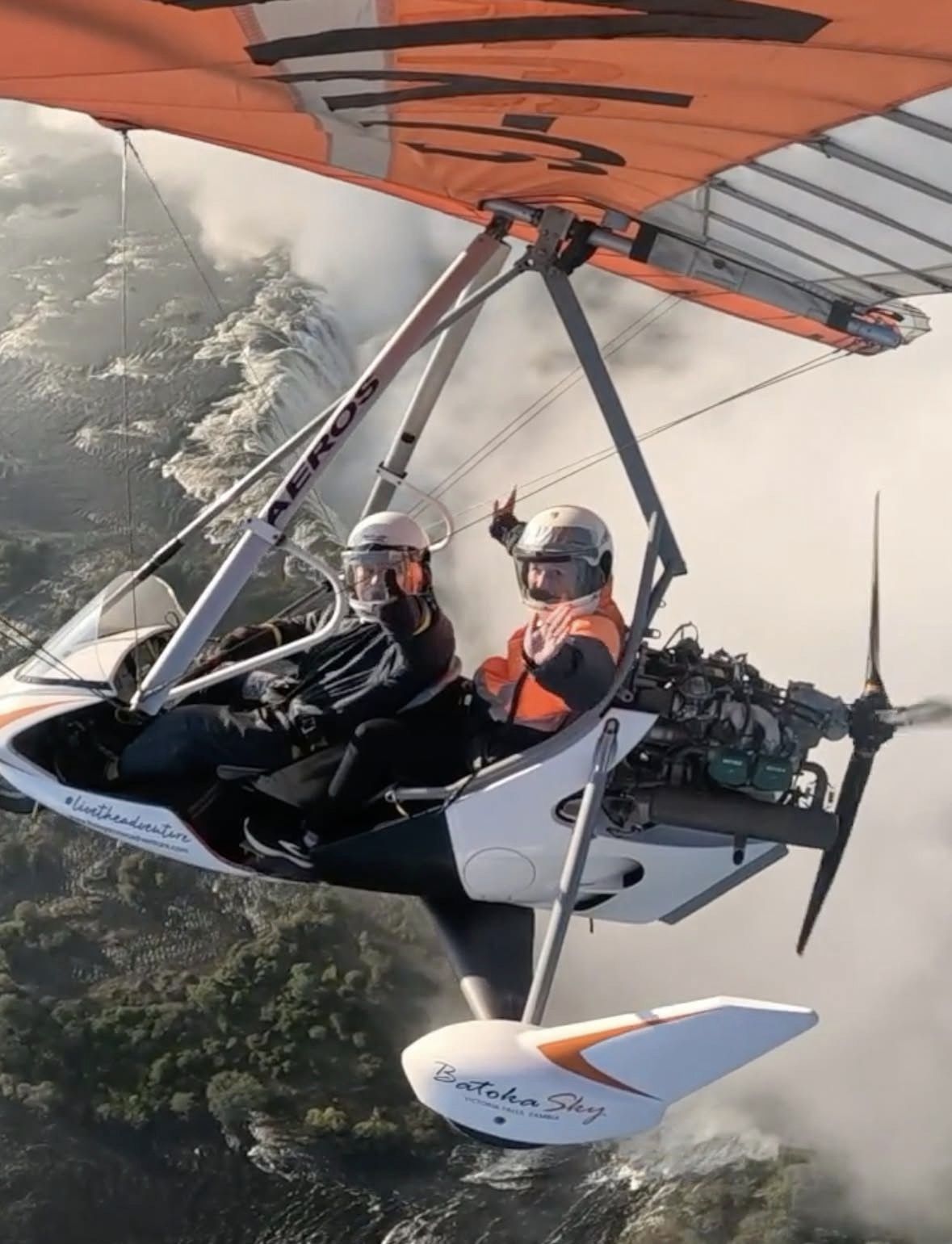
The area is one of Africa's premier adventure hubs, offering bungee jumping, white-water rafting, a gorge swing, zipline, and microlight flights. White-water rafting on the Zambezi is considered among the best in the world, with intense Grade 5 rapids below the gorge. Helicopter and microlight flights provide extraordinary aerial perspectives of the falls and the Batoka Gorge. Most operators are well-established and maintain strong safety records, so first-timers need not be overly concerned.
Visa requirements depend on your nationality and which country you're entering. The KAZA UniVisa is available to many nationalities and allows entry into both Zimbabwe and Zambia for 30 days, making it the most convenient option for travellers wanting to explore both sides. It can typically be purchased on arrival at the main border posts and airports. Always check the latest requirements for your specific passport before travelling, as policies can change.
Devil's Pool is a naturally formed rock pool that sits right at the edge of the falls on Livingstone Island, and it is safe to swim in during the low-water season, roughly August through January. Access is only possible through a licensed tour operator whose guides accompany guests every step of the way. The pool's rock lip acts as a natural barrier, but swimming is only permitted when water levels are confirmed to be safe. Children and non-swimmers should discuss suitability with the operator before booking.
The region sits at the intersection of several major ecosystems, making wildlife encounters remarkably varied. Sunset cruises on the Zambezi regularly deliver sightings of hippo, crocodile, elephant, and dozens of bird species. Nearby Zambezi National Park and Chobe National Park in Botswana offer Big Five game viewing within easy driving distance. The elephant population around the Chobe River is one of the largest on the continent and is particularly impressive during the dry season.
Most travellers find that a minimum of two to three days allows them to see the falls properly and enjoy at least one or two activities. A full week gives you time to explore both the Zimbabwean and Zambian sides, take a day trip to Chobe, and try multiple adventure activities without feeling rushed. If you're combining it with a broader southern Africa itinerary, it works brilliantly as a three to four day stopover. Pacing yourself allows you to appreciate the quieter moments, like early morning walks when the mist catches the light.
A quality waterproof bag or cover is essential, especially during high-water season when the spray can soak you thoroughly within minutes of arriving at the viewpoints. Light, breathable clothing works well in the warm climate, but a light layer is useful for early morning river cruises. Sturdy walking shoes are recommended for the gorge trails and rainforest paths. Don't forget sunscreen, insect repellent, and a good pair of binoculars for wildlife spotting.
A day trip is technically possible if you're based somewhere like Livingstone or within Zambia, but it doesn't allow enough time to appreciate everything this destination has to offer. Staying overnight dramatically expands your options, including sunrise visits when crowds are thin and the morning light is extraordinary. Many lodges and guesthouses are within easy walking distance of the main entrance gates on both sides. Overnight stays also make it much easier to arrange guided activities, which often require early morning departures.
Absolutely — the surrounding area has a rich cultural heritage connected to the Lozi, Tonga, and other local communities. The Monde Cultural Village near the Zambian town of Livingstone offers an authentic look at traditional practices, music, and daily life. Local markets are excellent for handcrafted souvenirs including wood carvings, baskets, and textiles made by local artisans. Several community-based tourism initiatives also give visitors the opportunity to contribute directly to local livelihoods while gaining a deeper understanding of the region.

Ready to experience the thunder for yourself?

Book Your Tour Now

The Fascinating History Behind the Thundering Falls

Long before David Livingstone arrived by canoe in 1855, the Kololo people had named this roaring cascade 'Mosi-oa-Tunya' — The Smoke That Thunders — understanding its power in a way that no European name could quite capture. From ancient local reverence to colonial-era exploration, UNESCO protection, and modern adventure tourism, the story of this landmark is as dramatic as the falls themselves.

📅 Book Now